
If you’ve ever found a sad, wilted bunch of greens or a mushy bag of carrots at the back of your fridge, you’re not alone. Food waste is a big issue for households — not only is it bad for the planet, but it’s also like tossing your hard-earned money in the trash. The good news is with a few simple storage strategies, you can dramatically extend the life of your fruits and vegetables. Here’s how to store produce smarter and make every grocery trip count.
Why Proper Storage Matters
When produce is stored correctly, it stays fresh longer, tastes better, and retains more nutrients. Plus, you reduce the number of emergency grocery runs and avoid the guilt of throwing away spoiled food. Thoughtful storage also encourages healthier eating — it’s a lot easier to grab a crisp apple or fresh celery stick when they’re clean, visible, and ready to eat.
The First Step: Wash Right After You Shop
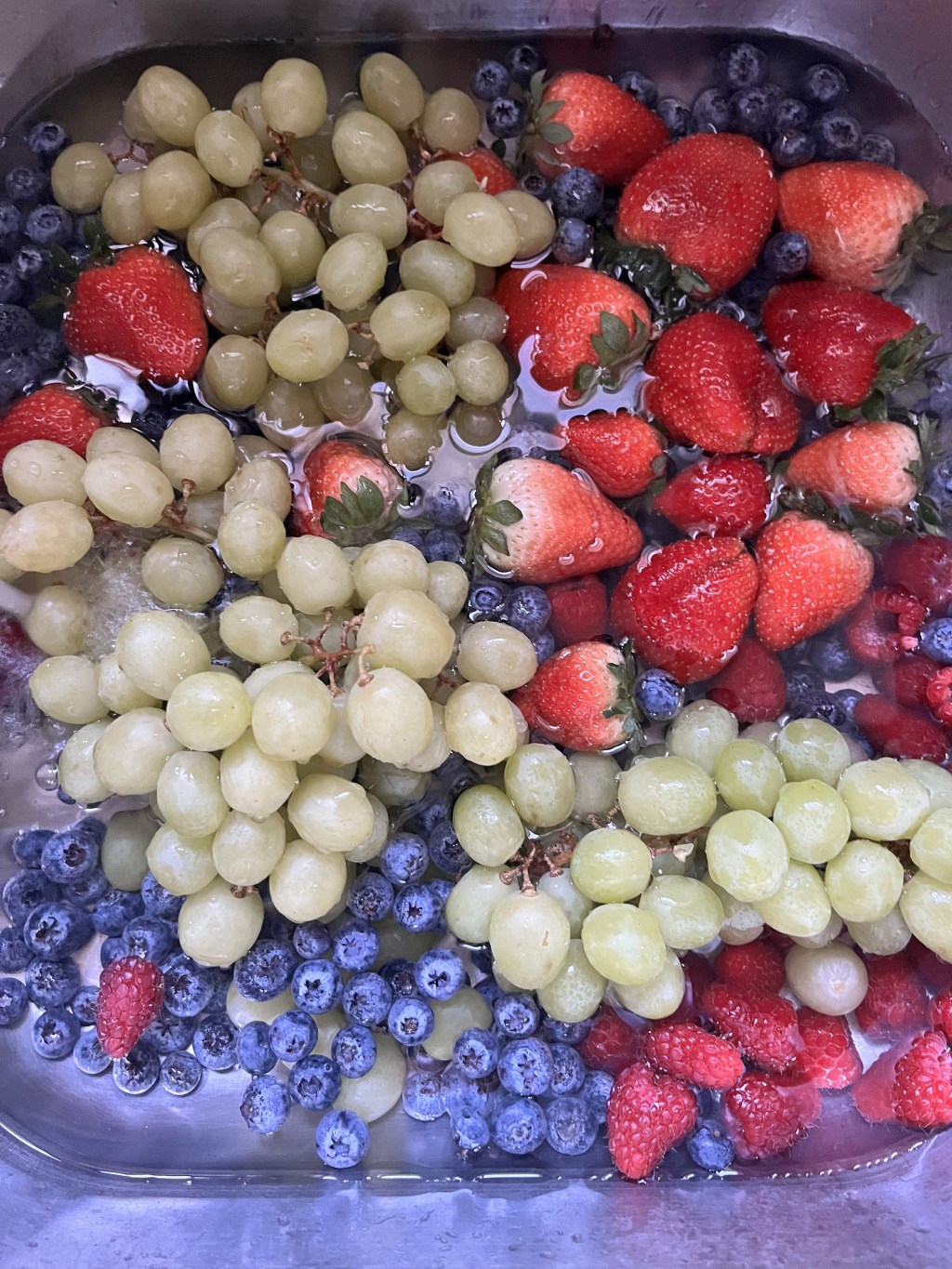
One of the best habits to build is washing and cutting your fruits and vegetables as soon as you get home from the store. Here’s why:
- It saves time later: When produce is ready to eat, you’re more likely to reach for it instead of a packaged snack.
- It reduces food waste: Prepping your produce early makes it more visible and accessible, meaning it’s less likely to be forgotten.
- It helps you organize better: Clean produce is easier to pack into jars or containers right away, leading to a more functional and attractive fridge.
Glass Jars: A Game-Changer for Freshness
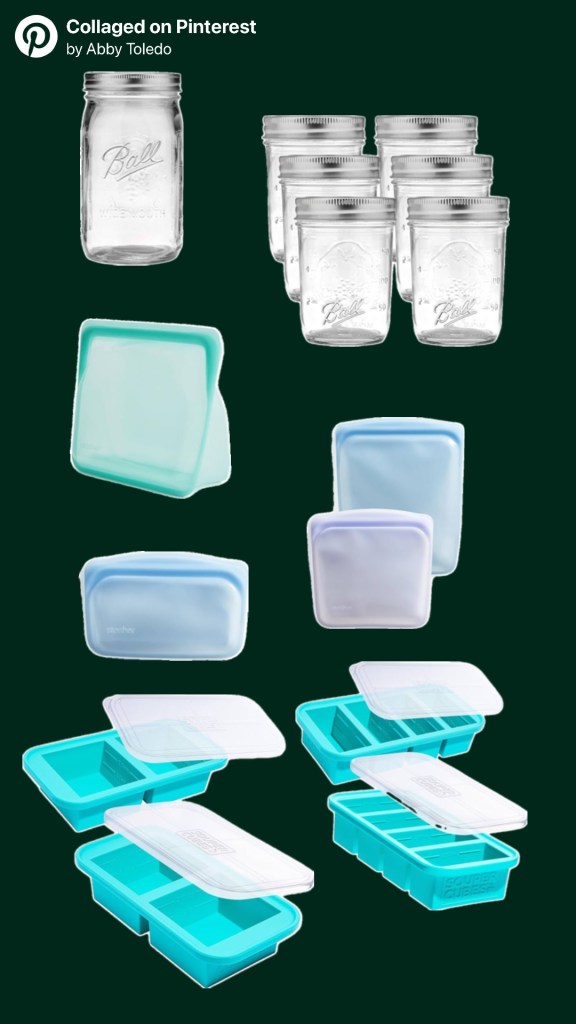
Glass jars aren’t just trendy for Instagram-perfect pantries; they’re incredibly practical for keeping produce fresh. Here’s why:
- Sealed Environment: Glass jars create a breathable but protected space, limiting moisture loss and exposure to air.
- Visibility: You can easily see what you have, reducing the chance that food gets forgotten.
- Non-Toxic and Sustainable: Unlike some plastics, glass doesn’t leach chemicals, and it’s endlessly reusable.
Pro Tip: Save jars from pasta sauces, jams, and pickles. Wash them thoroughly and reuse them for storage.
How to Store Specific Produce in Glass Jars
Leafy Greens
After washing and thoroughly drying (this step is crucial!), loosely pack greens like spinach, kale, and arugula into a large glass jar lined with a dry paper towel or a clean cloth. Seal and refrigerate. They’ll stay crisp for up to a week or longer.
Herbs
Trim the stems, place them upright in a jar with an inch of water (like a bouquet), and cover loosely with a reusable produce bag or silicone lid. Basil can stay on the counter; others like cilantro and parsley prefer the fridge.
Carrots and Celery
Peel (if you want), cut into sticks, and submerge in water in a large glass jar. Change the water every few days. This method keeps them ultra-crunchy and snack-ready.
Berries
Rinse berries with a diluted vinegar solution (1 part vinegar to 3 parts water) to kill mold spores. Dry completely, then store in a glass jar lined with a paper towel. Leave the lid slightly ajar to prevent moisture buildup.
Mushrooms
Mushrooms do best when they can breathe. Place them in a glass jar with the lid loosely on, or just cover the top with a clean cloth secured with a rubber band. Avoid airtight sealing.
Additional Smart Storage Tips
Don’t Mix Ethylene Producers and Sensitive Produce: Some fruits like apples, bananas, and avocados emit ethylene gas, which speeds up ripening. Store them separately from ethylene-sensitive produce like leafy greens and berries.
Keep Your Fridge Organized: Designate a “use first” zone for produce that’s getting older.
Prep Ahead: If you wash and prep your fruits and vegetables soon after shopping, you’ll be more likely to eat them before they spoil.
Don’t Forget the Freezer: Preserve Before It’s Too Late
Sometimes, even with the best storage habits, life gets busy and produce sits a little too long. That’s where your freezer comes in. Freezing fruits and vegetables at their peak freshness locks in nutrients and prevents food waste — and it’s easier than you might think.
Here are a few quick freezing tips:
- Chop and Freeze Leftovers: If you notice bell peppers, onions, or spinach starting to go soft, chop them and freeze them in glass containers or silicone freezer bags. They’re perfect for tossing into stir-fries, soups, or omelets later.
- Freeze Washed Berries: Lay berries in a single layer on a baking sheet to freeze, then transfer to a jar or freezer-safe container. This prevents clumping and makes smoothie-making a breeze.
- Banana Hack: Peel overripe bananas and store them in jars or bags in the freezer. They’re excellent for smoothies, banana bread, or “nice cream.”
- Blanch Before Freezing: For veggies like broccoli, carrots, or green beans, a quick blanch (brief boil followed by an ice bath) helps preserve texture and color before freezing.
- Label and Rotate: Always label jars or containers with the contents and date so you can use the oldest items first.
Freezing gives your produce a second life and stretches your grocery dollar even further — especially when plans change or you buy in bulk.
Final Thoughts
Final Thoughts
Reducing food waste and saving money doesn’t require a complete kitchen overhaul — just a few mindful habits. Start by washing and prepping your produce as soon as you get home. Clean, ready-to-eat fruits and veggies are more likely to be enjoyed before they spoil.
Next, store your produce smartly, using glass jars to keep everything visible, fresh, and chemical-free. Whether it’s crisp lettuce, chopped carrots in water, or herbs standing tall like a bouquet, jars help extend shelf life while keeping your fridge organized and inspiring healthier choices.
And don’t forget your secret weapon: the freezer. When produce starts to soften or you know you won’t use it in time, freezing locks in flavor and nutrients — giving your food a second life in smoothies, soups, and stir-fries.
These small shifts can make a big difference — in your grocery budget, in how much waste you produce, and in how easily you eat healthy. Start with just one habit this week, and watch how it transforms the way you shop, store, and eat.
Your wallet (and the planet) will thank you.

 Happy Healthy Homing
Leave a comment